
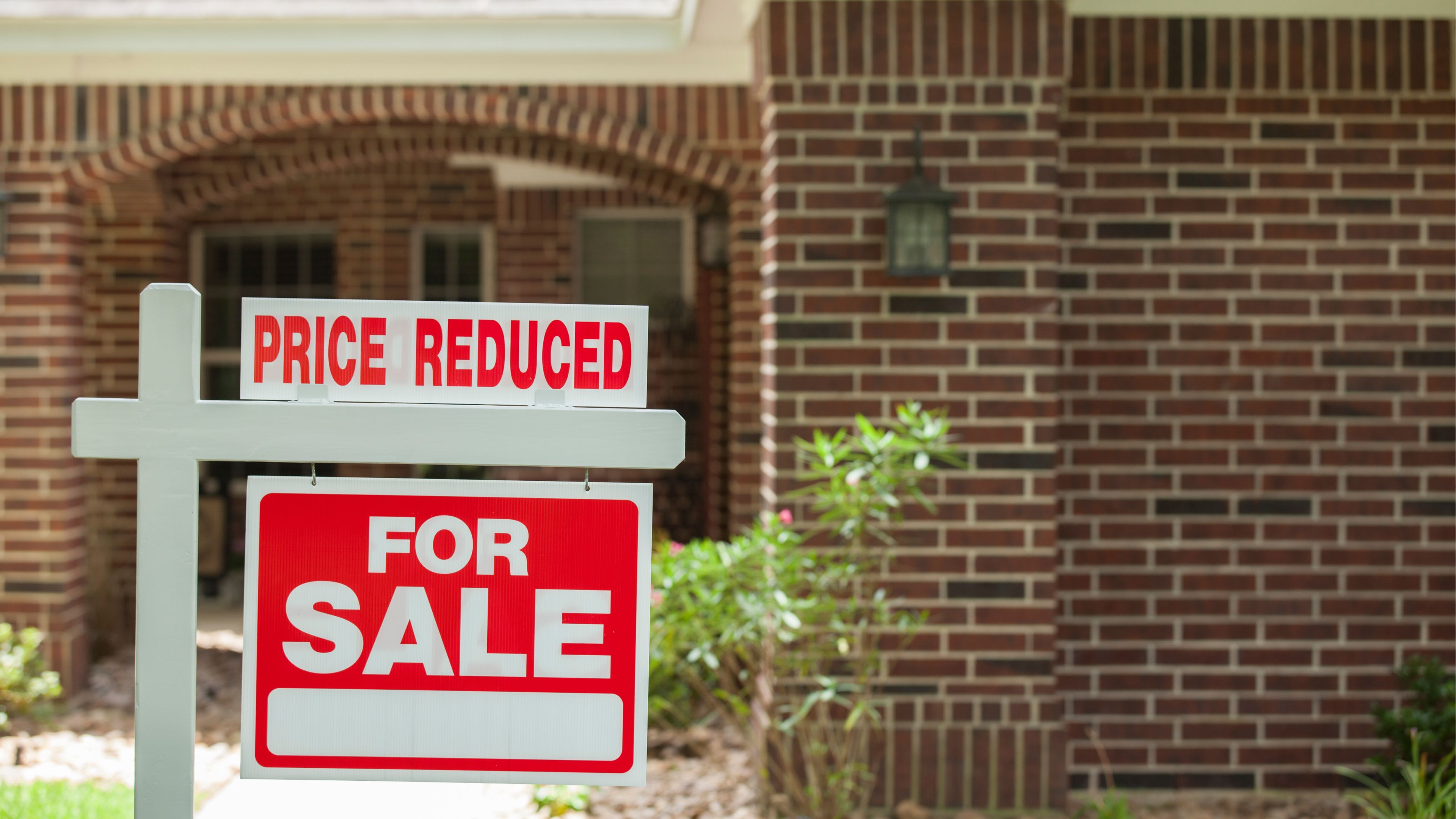

A price reduction in real estate always gets attention. For Buyers, it can look like an opportunity. For Sellers, it can feel like a setback. But a home price reduction does not automatically mean something is wrong with the property, and it does not always mean the Seller is desperate. In many cases, a listing price reduction simply means the market has spoken.
The home may have been priced too high at the beginning. Buyer demand may have shifted. Competing properties may have entered the market. The Seller may need to reposition the listing to attract the right Buyer.
For Los Angeles home Buyers, understanding what a price reduction really means can help you decide whether to take a closer look, make an offer, or keep watching. For Los Angeles home Sellers, it is a reminder that pricing strategy matters from the first day on the market.
If you are preparing to buy, our Los Angeles home buying guide explains how we help Buyers evaluate value, timing, and negotiation strategy. If you are preparing to sell, our Los Angeles home selling guide covers pricing, preparation, marketing, and negotiation.
A Price Reduction Does Not Automatically Mean a Problem
One of the biggest mistakes Buyers make is assuming a price drop on a house means the home has a defect. Sometimes that is true. A property may have inspection issues, difficult showing access, deferred maintenance, insurance concerns, or a location challenge that Buyers are reacting to.
But often, the reason is much simpler: the original price was too ambitious. An overpriced home can sit on the market even if it is attractive, well located, and properly marketed. When Buyers do not see enough value at the asking price, they wait. A reduction may simply bring the home closer to where Buyers already believed it should be.
Our article on the dangers of overpricing a real estate listing explains why starting too high can reduce showing activity, create Buyer skepticism, and make a listing harder to reposition later.
What a Price Reduction May Tell Buyers
A price reduction can mean several different things.
1. The Seller Is Recalibrating to the Market
The most common explanation is that the Seller is adjusting expectations. The original price may have reflected hope, emotion, outdated comparable sales, or a desire to “test the market.” A smart price adjustment can bring the listing back into alignment with current Buyer demand.
That does not mean the Seller made a mistake on purpose. Pricing is part science and part strategy. In a changing Los Angeles real estate market, even a thoughtful starting price may need to be revisited.
2. The Home May Have Lost Momentum
Buyers pay attention to days on market. The longer a home sits, the more Buyers begin to wonder why it has not sold. That perception can become a problem even when the property itself is solid.
A price reduction can help create fresh attention, but the size and timing of the reduction matter. A small reduction may not change Buyer behavior. A more meaningful reduction can make Buyers reconsider a property they previously dismissed.
3. The Seller May Be More Open to Negotiation
A price reduction may suggest increased Seller motivation, but Buyers should be careful not to overread it. A motivated Seller is not necessarily a desperate Seller.
The Seller may be open to a fair offer, but that does not mean they will accept an aggressive lowball number. A strong Buyer negotiation strategy should still be based on comparable sales, property condition, market activity, and the Seller’s likely alternatives.
Our article on real estate negotiation strategy explains why negotiation begins long before the offer is written.
4. The Property May Need a Closer Look
A price reduction should make Buyers curious, not careless. Before assuming the home is a deal, Buyers should look at the full picture:
- How does the new price compare to recent sales?
- How long has the home been on the market?
- Were there prior reductions?
- Has the property fallen out of escrow?
- Are there disclosure issues?
- Does the home need repairs?
- Are there insurance, HOA, or appraisal concerns?
- Is the listing easy or difficult to show?
A reduced price is only helpful if the new price reflects the property’s actual condition and market value.
What a Price Reduction Does Not Tell Buyers
A price reduction does not automatically tell you:
- the Seller will accept any offer;
- the property is defective;
- the home is a bargain;
- the Seller is under financial pressure;
- the listing is now priced correctly;
- there will be no competition from other Buyers.
In fact, a well-timed reduction can attract new interest quickly. Buyers who waited on the sidelines may step forward once the price feels more realistic. That is why Buyers should be prepared. If the reduced price is genuinely compelling, waiting too long can mean losing the opportunity.
Price Reductions and Appraisals
Buyers should also think about home appraisal concerns. A lower asking price may make the home more attractive, but the appraisal still depends on comparable sales, condition, location, and market data. If a home was previously overpriced, a reduction may help bring the price closer to what an appraiser can support.
On the other hand, if the new price is still above the strongest comparable sales, the Buyer and lender may still have questions. This is especially important in Los Angeles, where two homes in the same neighborhood can have very different values because of street location, views, lot size, condition, updates, school boundaries, traffic, or insurance issues.
What Sellers Should Learn From Price Reductions
For Sellers, the lesson is not that price reductions are always bad. Sometimes they are necessary and effective. The bigger lesson is that your first price matters. A strong real estate pricing strategy should consider:
- recent comparable sales;
- active competition;
- property condition;
- Buyer demand;
- showing feedback;
- online activity;
- days on market;
- financing and appraisal risk;
- neighborhood-specific trends.
If a reduction becomes necessary, it should be clear, strategic, and supported by the data. The goal is not simply to lower the price. The goal is to reposition the property so Buyers see the value.
Sellers should also make sure the rest of the listing supports the new price. That may include updated marketing remarks, better photography, easier showing access, improved presentation, or addressing obvious repair issues.
If access is limiting showings, our article on lockbox access and home showing security may also be helpful.
How Buyers Should Respond to a Price Reduction
A price reduction should be treated as a reason to investigate, not a reason to rush blindly. Before making an offer, Buyers should ask:
- What changed since the original list price?
- How does the new price compare to recent comparable sales?
- How much competition is there at the new price point?
- Are there condition, disclosure, insurance, or HOA issues?
- Has the property been sitting because of price, presentation, access, or something more serious?
For as-is properties, Buyers should also understand what “as-is” really means. Our article, What “As-Is” Really Means When Selling a Home in Los Angeles, explains why inspections and negotiations may still matter even when a Seller does not want to make repairs.
Frequently Asked Questions
Does a price reduction mean something is wrong with the house?
Not necessarily. A price reduction may reflect overpricing, changing market conditions, Seller motivation, competing listings, or Buyer feedback. It may also relate to property condition, but Buyers should evaluate the facts before assuming there is a major problem.
Should Buyers make a low offer after a price reduction?
Not automatically. A reduced price may already reflect the Seller’s adjustment to the market. Buyers should base their offer on comparable sales, condition, days on market, competition, and their own interest in the property.
Is a price reduction good for Buyers?
It can be. A price reduction may create an opportunity, especially if the home was previously overpriced. But Buyers should still confirm that the new price makes sense based on the property and the market.
Is a price reduction bad for Sellers?
Not always. A strategic price reduction can help refresh interest and attract serious Buyers. The key is making the adjustment thoughtfully rather than repeatedly making small reductions that fail to change Buyer perception.
Final Thoughts
A price reduction tells Buyers one important thing: the listing has changed. It may signal opportunity, motivation, correction, or renewed realism. It may also signal that the home deserves a closer look. But it does not automatically mean the property is defective, and it does not automatically mean the Seller will accept any offer.
For Buyers, the right response is to study the new price, review the comparable sales, evaluate the condition, and make a thoughtful decision. For Sellers, the lesson is to price carefully from the beginning and respond quickly when the market provides feedback.
If you are buying or selling in Greater Los Angeles and want help evaluating pricing, strategy, or negotiation, Contact Us. You can also read our Client Testimonials to see how we have helped Buyers, Sellers, Trustees, Executors, and Families throughout Los Angeles.
